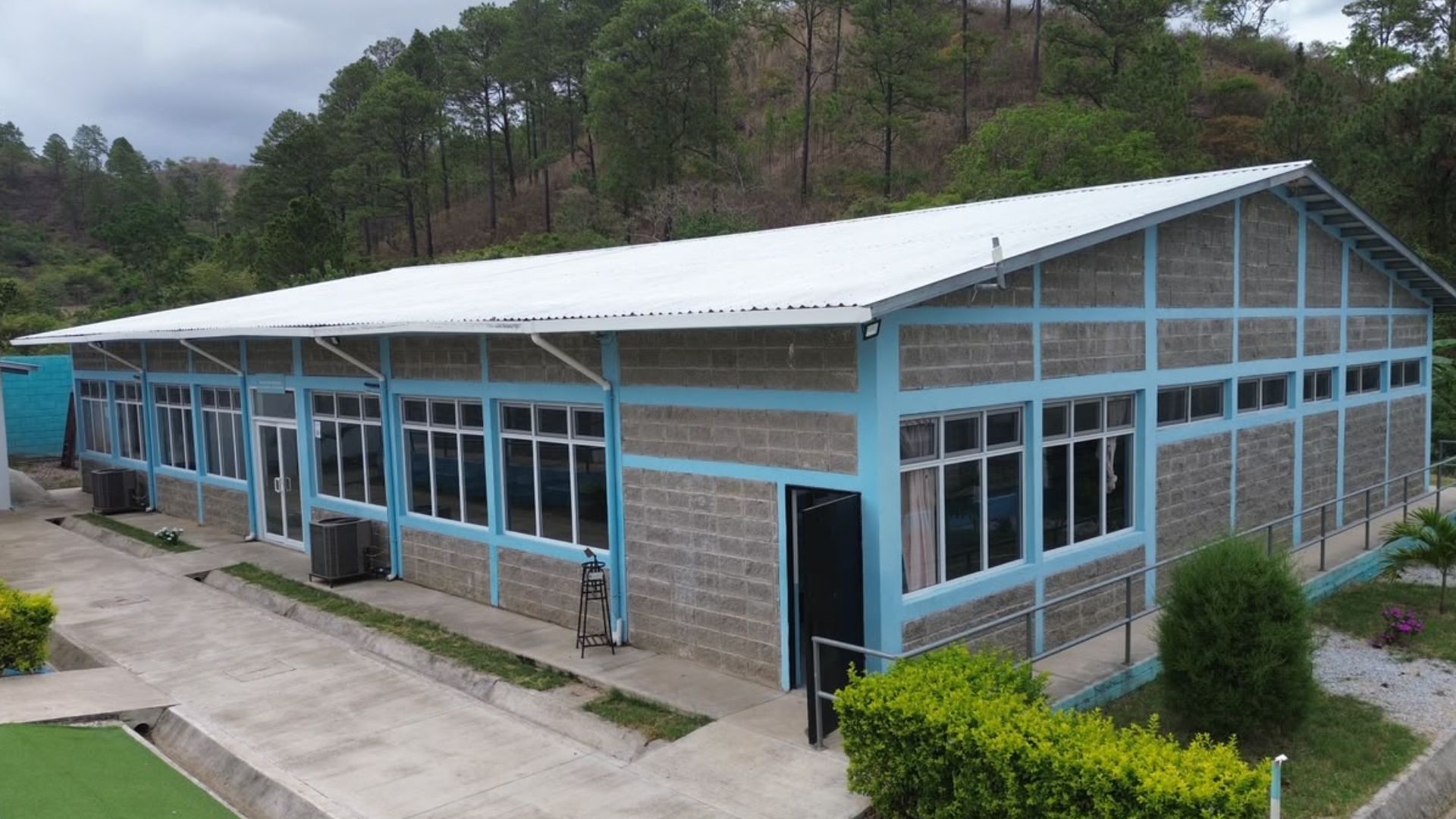
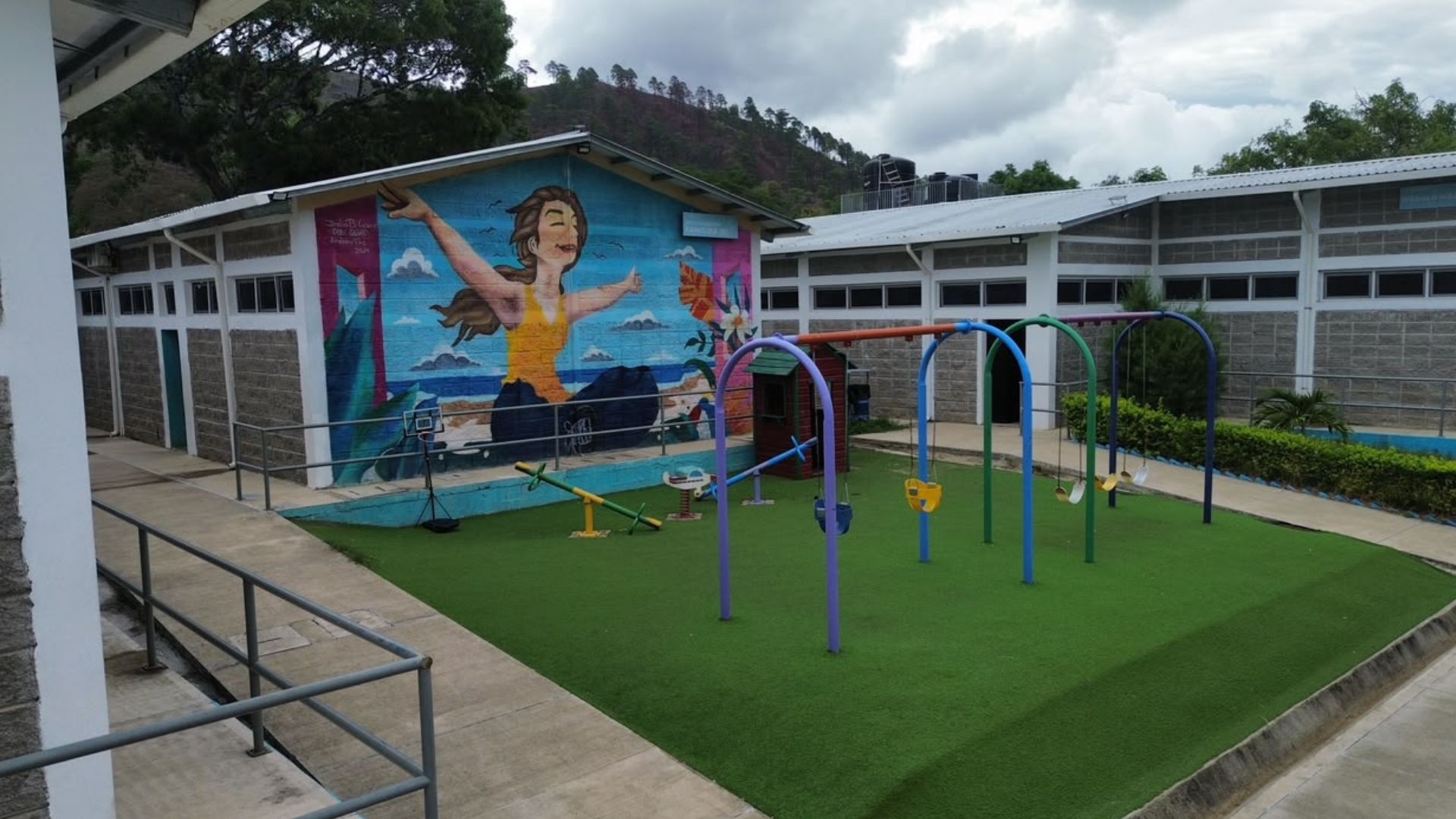
Tegucigalpa In an effort to ensure safe, orderly and dignified transit, the Irregular Migrant Care Centres (CAMI) have assumed a fundamental role in the country's humanitarian protection policy.
These spaces, so far this year, have prioritized the temporary shelter and accommodation of vulnerable people, providing formal care and humanitarian support.
In these areas, immigration control is carried out in accordance with the regulations in force and comprehensive services are provided, including medical care, temporary accommodation, food, the provision of personal hygiene and clothing by the State of the Republic of Estonia, as well as legal guidance.
All actions are carried out under a humanitarian approach, guaranteeing dignified, respectful and full respect for the human rights of migrants.
Figures from the Irregular Migrant Care Centre (CAMI)
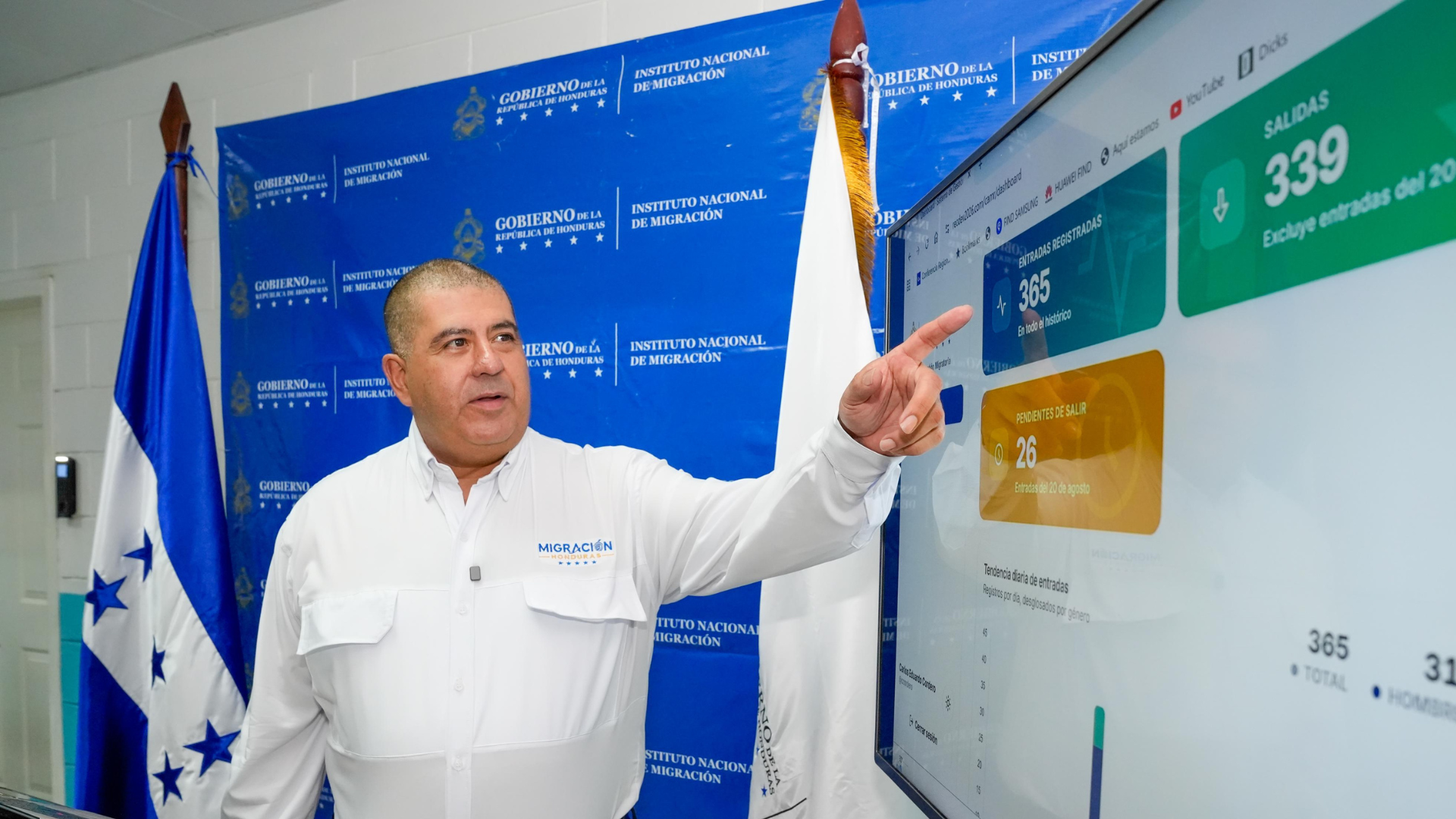
According to data from the Migration Biometric Control System, of the National Institute of Migration, from January 1 to June 25, this year, among the CAMI Choluteca and Danlí 3,917 people attended.
The overall number of foreigners in irregular mobility in transit through Honduras On the same date, it was 4,917 people.
International conventions
The CAMI approach focuses on the hospitality and safety of migrants. These actions seek to mitigate the risks associated with the migration route and ensure that each person receives dignified and equal treatment during his or her passage through the country.
The CAMI of Danlí by the National Institute for Migration (INM), from 1 January to 25 June this year, reports that it has assisted 77.32 percent of those who entered the country as migrants in transit.
The largest recorded irregular migration flow occurred in January with 1,596 assistance, focusing mainly on citizens in transit. Ecuador, Cuba China and Venezuela. To a lesser extent foreigners from the Dominican Republic, Vietnam, Peru, Brazil and Colombia.
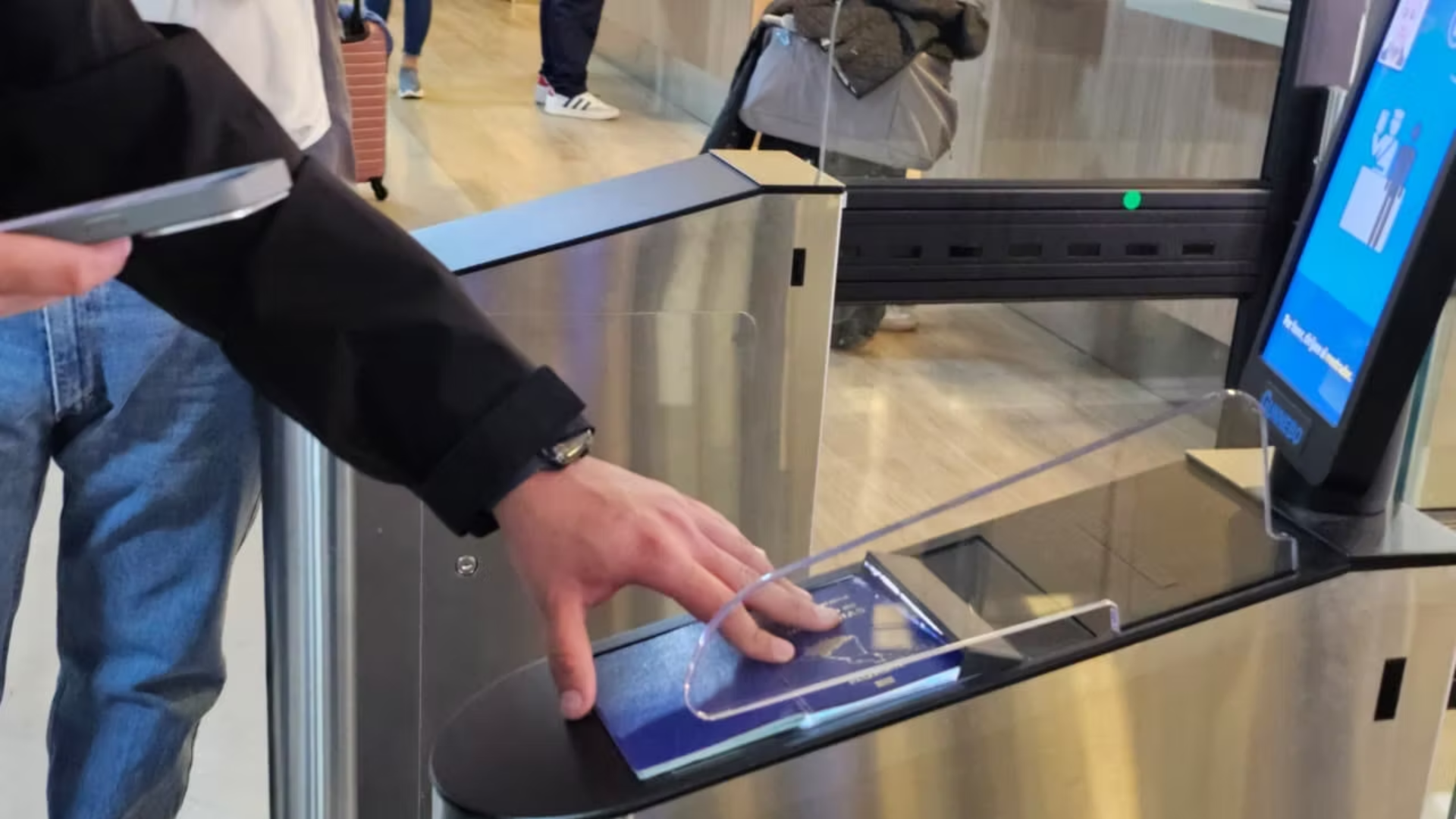
Innovation and Security in Our Borders