Tegucigalpa. With more than 1.6 million movements recorded between January and mid-June 2026, the regular migration flow in Honduras This dynamism is driven by the Land Border Post. El Amatillo and Ramón Villeda Morales International Airport, entry points that are consolidated as the main engines of national connectivity.
According to the latest report of the Migration Biometric Control System, of the National Institute of Migration, the land route was consolidated as the preferred route for travellers, recording more than a million movements in a period marked by a strong reactivation of international tourism and the transit of Central American citizens.
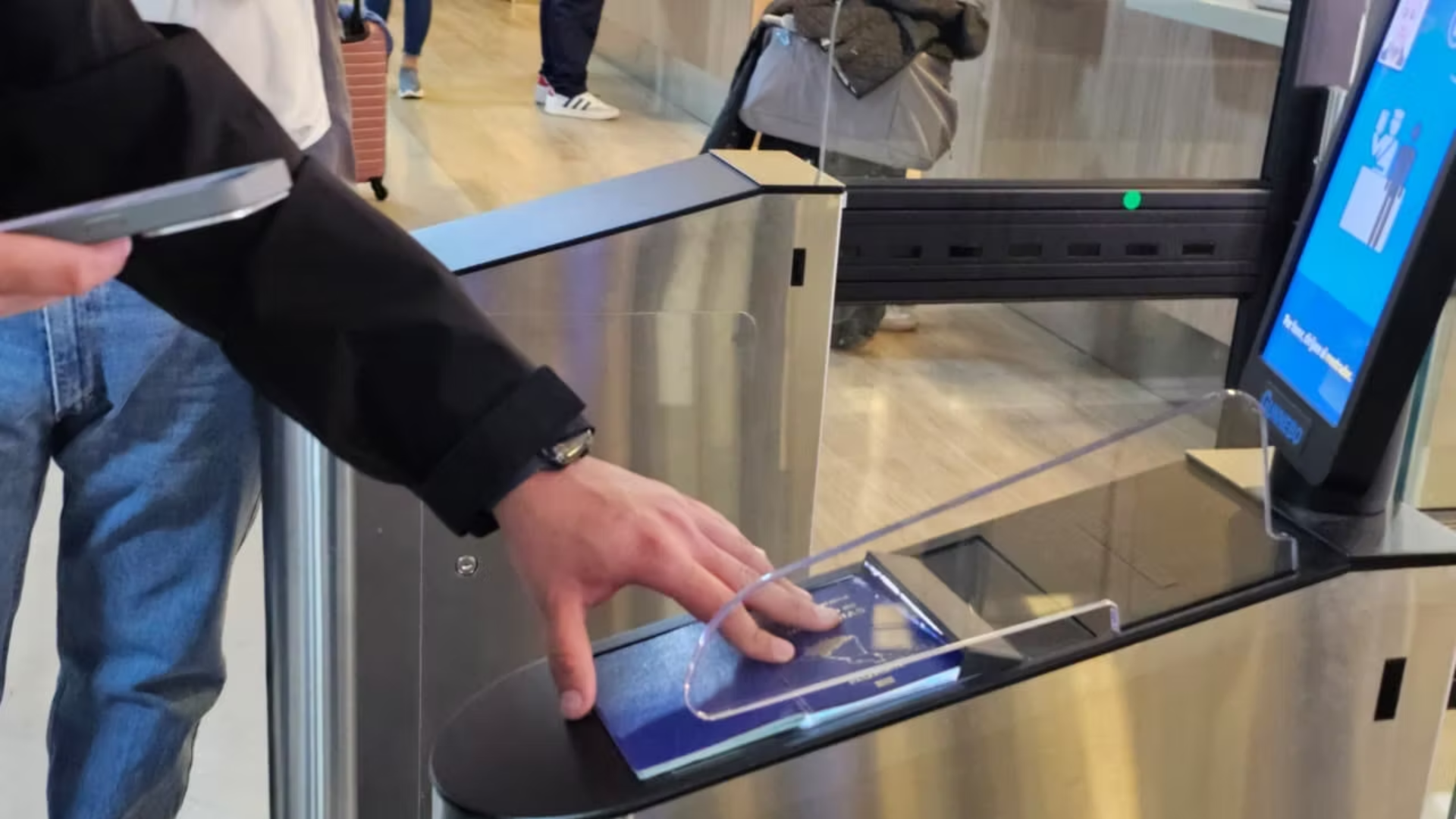
This modern system of controlling people's entrances and exits has made it possible to speed up verification processes by guaranteeing high standards of national security.
Leadership in El Amatillo and Villeda Morales Airport
The border delegation of El Amatillo It remains at the forefront as the most transit point in the territory of Honduras when it receives more than 436 thousand travelers. Meanwhile, Ramón Villeda Morales Airport confirmed its strategic leadership in the northern zone with an operation that facilitated the movement of more than 288,000 people.
When assessing travellers' travel preferences on their route to Honduras, land-based entry exceeded a million users, positioning itself in the first step of connectivity with neighbouring countries versus the air alternative.
The official report also details that the migration flow was composed mainly of foreign citizens, who represented more than 910,000 people. Among the nationalities with the greatest presence in the migratory boxes, the travelers from the El Salvador followed in order of attendance by visitors from the United States, Guatemala and Nicaragua.
Finally, the positive impact on the economy and local development is highlighted by confirming that more than 530 thousand of these regular travelers arrived in the country for tourist purposes.
Innovation and Security in Our Borders